
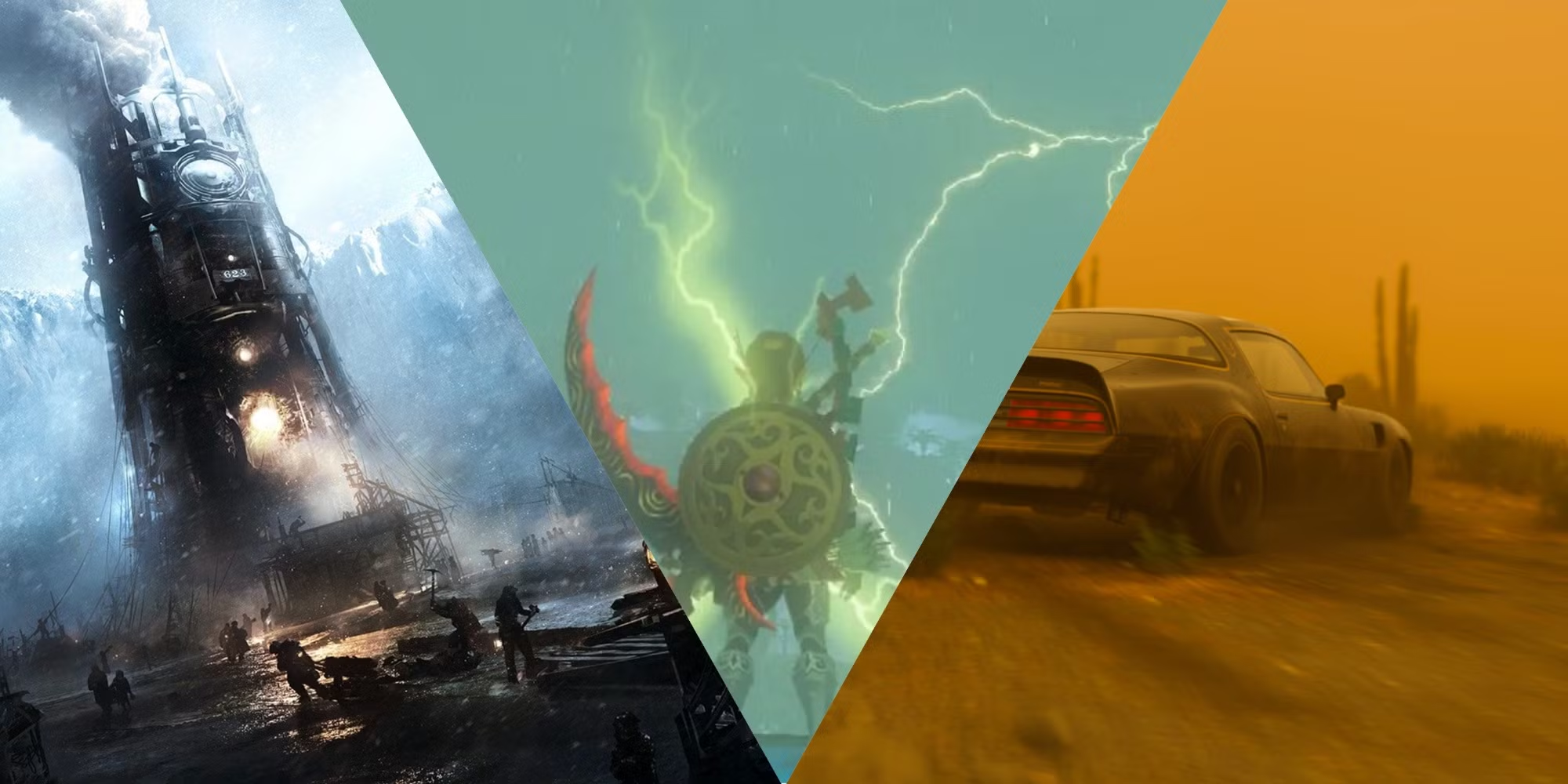
Dynamic weather and time systems play a major role in environmental storytelling, especially in open-world games. Titles like The Legend of Zelda: Breath of the Wild, Red Dead Redemption 2, and Ghost of Tsushima use atmosphere to communicate emotion, danger, and narrative progression.
In Breath of the Wild, rain makes climbing difficult and storms signal environmental threat. These mechanics reinforce the idea that nature is indifferent and powerful, shaping how players experience the world moment to moment.
Red Dead Redemption 2 uses shifting weather and lighting to emphasize realism and emotional weight. Fog-covered swamps, golden sunsets, and sudden storms create a sense of impermanence, mirroring the game’s themes of decline and change.
Ghost of Tsushima blends wind, lighting, and color to guide exploration while reinforcing its cinematic tone. Wind replaces traditional navigation markers, turning environmental elements into narrative and gameplay tools simultaneously.
Weather and time systems make worlds feel alive. They change how spaces are perceived, encouraging players to read environments differently depending on conditions.
By using atmosphere as a storytelling layer, developers allow players to feel narrative shifts rather than simply observe them, strengthening immersion through environmental design.