
Open-world games rely on more than sprawling maps and freedom of movement, they rely on backstory. A world only feels “open” when the player senses a history beneath every hill, ruin, and forgotten path. Backstory becomes an invisible scaffolding for environmental storytelling, allowing players to understand a place without ever being directly told its past.
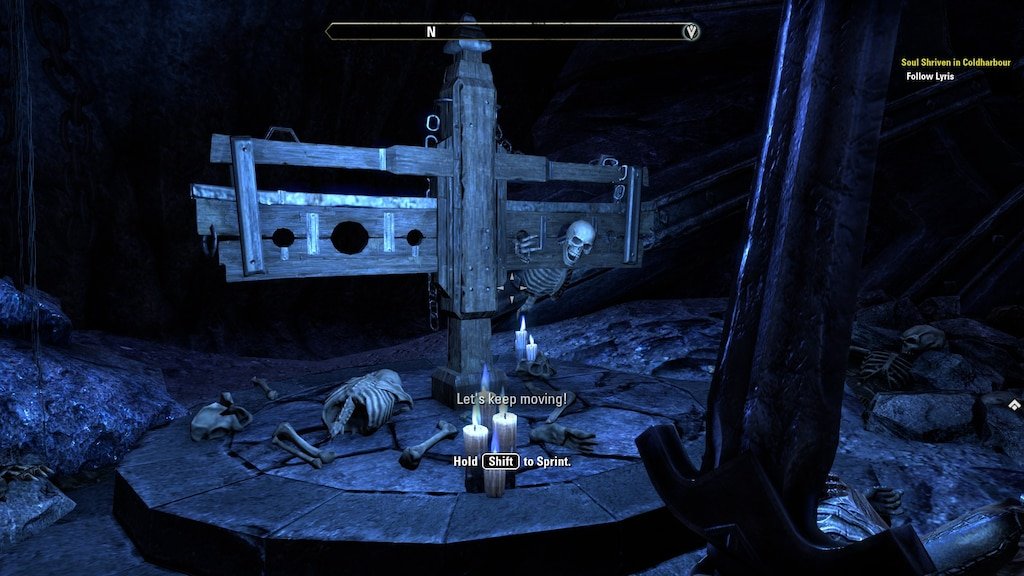
In games like The Witcher 3, Skyrim, or Ghost of Tsushima, backstory isn’t merely delivered through dialogue or codex entries. Instead, it’s embedded in design choices: a burned village that hints at a past invasion, an abandoned shrine reclaimed by nature, or a broken sword lodged in a tree each detail quietly revealing what came before the player arrived. These aren’t just set-dressing; they are narrative clues that teach players how to emotionally interpret the world.
Strong open-world backstories do two things at once:
- Explain the present: What tensions, conflicts, and cultural shifts shaped the region you’re exploring?
- Motivate the player: Why does this world matter, and what role do you play in its ongoing story?
The best examples use absence as storytelling empty homes that show sudden evacuation, eroded statues that reveal an empire long forgotten, or wildlife patterns that tell a story about climate or human conflict. The goal is for players to discover the story instead of being told the story.
An open-world world becomes memorable not because it is large, but because it feels lived in. Backstories give players a sense of time, consequence, and continuity. They turn a map into a culture, and a quest into a legacy.