
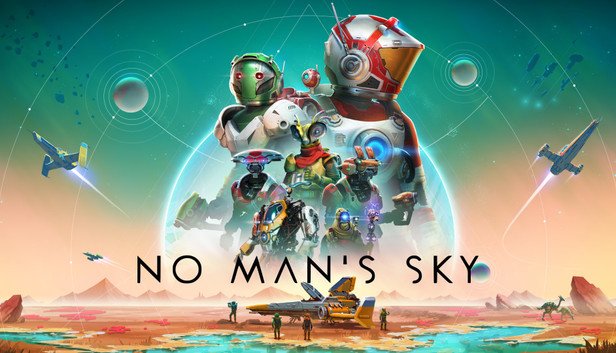
When No Man’s Sky launched, it faced criticism but its biggest triumph came later: proving that procedurally generated worlds can carry strong aesthetic identity and emergent storytelling. Despite the infinite variation, players began finding meaning, patterns, and emotional tone across randomly generated planets. This wasn’t an accident. It was an intentional design achievement.
Each planet in No Man’s Sky is unique, yet the game ensures that all generated worlds follow recognizable artistic logic. Color palettes are controlled to support mood, eerie purples and greens for toxic worlds, warm reds and golds for desert planets, soft blues for peaceful water environments. These choices turn random geometry into coherent storytelling signals.
The flora and fauna also contribute to narrative texture. A barren planet with scattered, twisted plant life suggests a world on the brink of collapse. A lush world filled with gentle creatures communicates safety and abundance. These aesthetics set emotional expectations long before the player scans anything.
Procedural structures, abandoned outposts, crashed starships, monoliths, add layers of implied history. Players wonder: Who lived here? What happened? Because each discovery is unique, these questions become deeply personal. No two players receive the same “story,” but each feels intentional.
Weather patterns enhance the environmental narrative. Violent storms or extreme temperatures give personality to a planet, transforming it from a random location into a place with character and lived experience.
Through its aesthetic rules, No Man’s Sky creates worlds that feel alive, mysterious, and worth exploring. The procedural generation becomes a storytelling tool, not just a technical feature.
In No Man’s Sky, the universe writes itself and players become the archivists of its infinite, emergent stories.