
When games create immersion without interface clutter.
Did you ever play a game that was so good, you completely forgot you had Cheeto dust on your fingers while you’re gripping the joysticks? You feel like you are the character. Both of your worlds, reality and the game world, finally merge into one. That, my friend, is an interface-less design; when developers decide to stick to a super clean screen.
In today’s game designs, minimalism and hidden user interfaces have become a huge part of the industry. It’s not like developers are too lazy to design health bars. It’s because they realized that players probably don’t need a bright red sign in the corner screaming “YOU’RE DYING”, to let them know that… you know… they’re dying.
Think back to The Last of Us, Journey, or Breath of the Wild. All these games make you feel whether the situation is dire or not, without constantly spitting stats at you. You learn about the structure through living in the world itself. For example, when blood splatters on your screen, it means you’re hurt… obviously. Or when the sky turns red, well, you’d better run because danger is on its merry way. Then there’s your character breathing heavy; it’s time to take cover.

Immersion without UI is all about the trust between the developers and the players. Kinda like them saying, “Hey, I believe you’re smart enough to figure out what this means”, and you’re like, “Wow, thanks for the vote of confidence, bestie.”. By removing the clutter, designers invite gamers to play the game in an organic manner. You take the texture, sound, and lighting cues as your new interface.
This makes players pay attention more than usual. You tap into your surroundings because it goes hand in hand with your survival skills in the game. You use the silence and environment as the interface without having to use mini maps or markers.
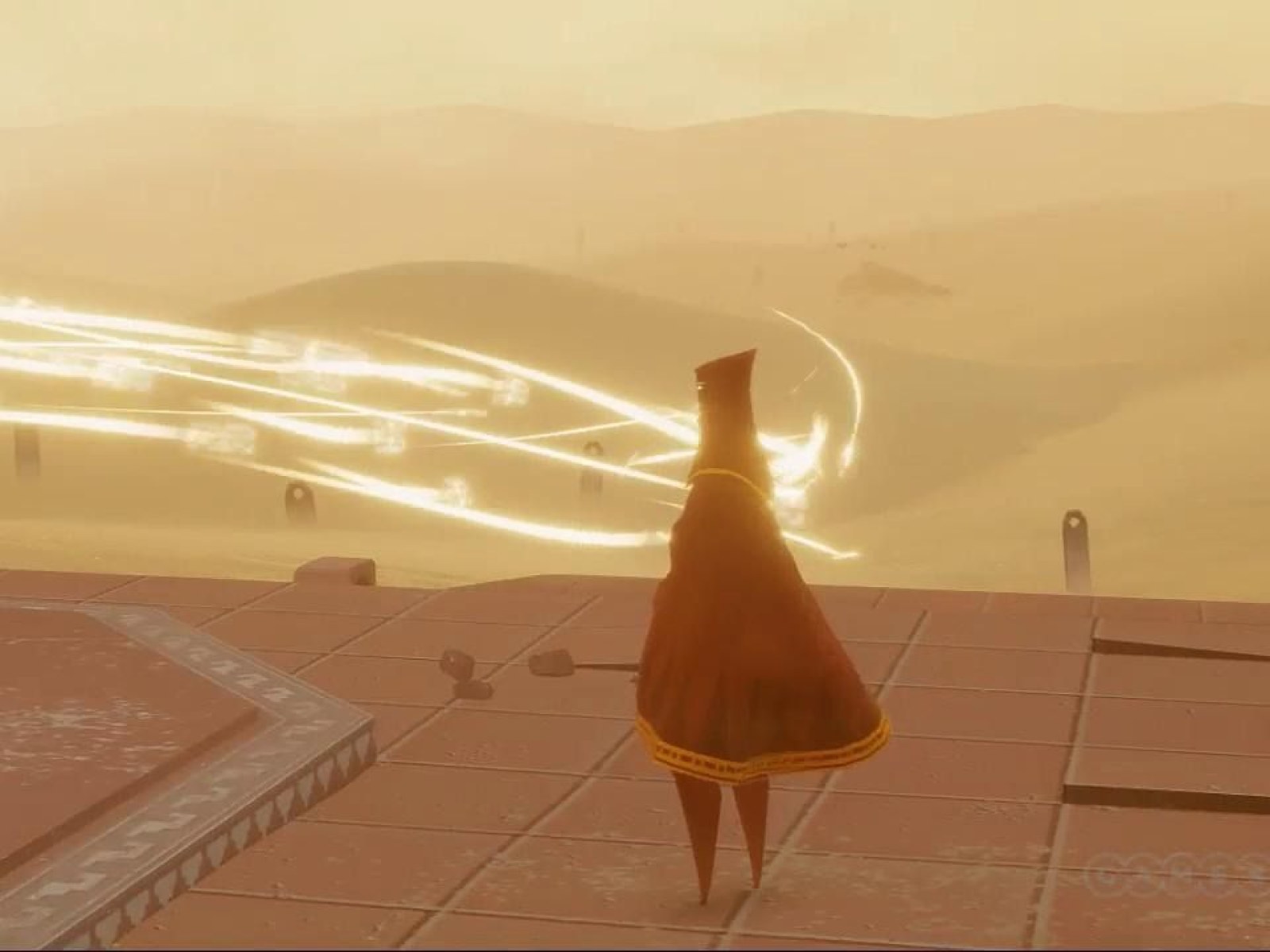
As fun as this sounds, it’s pretty complicated to reach this approach. If you use too little UI, this can cause players to be completely lost. If you use too much, the immersion will break faster than a cheap headset. There’s a balance in designing invisible guidance by using small environmental clues, subtle animations, or those intuitive sound designs that gently whisper, “Hey, over here”, without having to slap a gigantic neon sign on the screen and ruining the moment.
When there’s immersion without UI, it reminds us that a good design isn’t always necessarily seen. It’s what’s felt. When players don’t spend too much time thinking about the extra buttons on the screen and start feeling the world instead, magic happens.
So next time you play a game that hides all your HUD elements, don’t panic and give up. Take a deep breath and take a look around. Trust the design. That’s when you’ll start feeling less lost and more immersed.
Follow us on LinkedIn for weekly updates!
https://www.linkedin.com/pulse/games-talk-like-explore-lore-4pdte