
Video games often tell stories without a single line of dialogue. This is called environmental storytelling, and learning to read it can unlock hidden layers of a game’s narrative. Developers use objects, architecture, lighting, and character placement to communicate events, emotions, and backstory.
To start, observe your surroundings carefully. Ask yourself why an object is placed in a certain location or why a room looks abandoned. For example, in The Last of Us, a toppled bookshelf or broken window tells you about the chaos of the world.
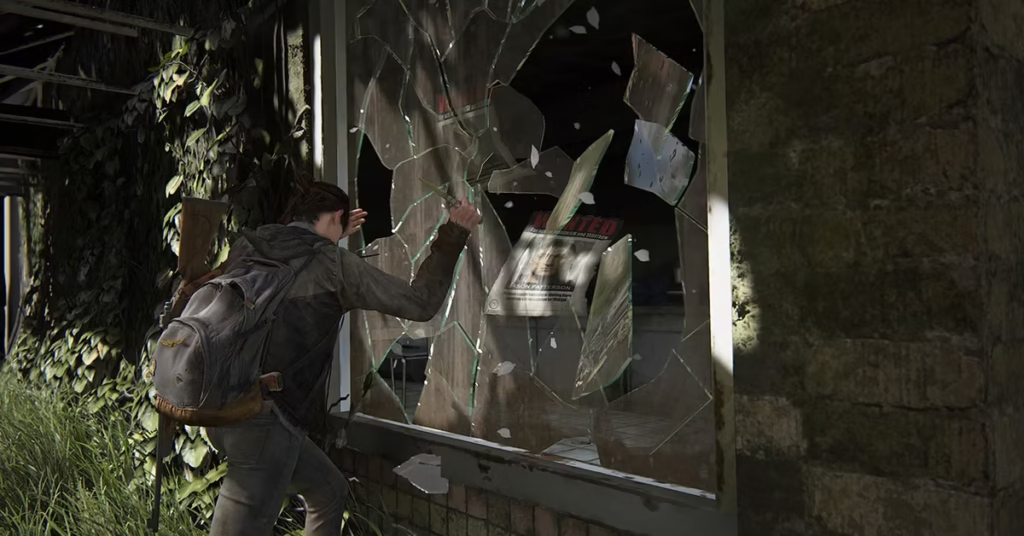
Next, look for visual clues that suggest history. Posters, graffiti, or even the wear and tear on buildings can hint at past events. The Art Deco environment especially if its scattered and includes audio diaries reveal a lot without telling you directly.
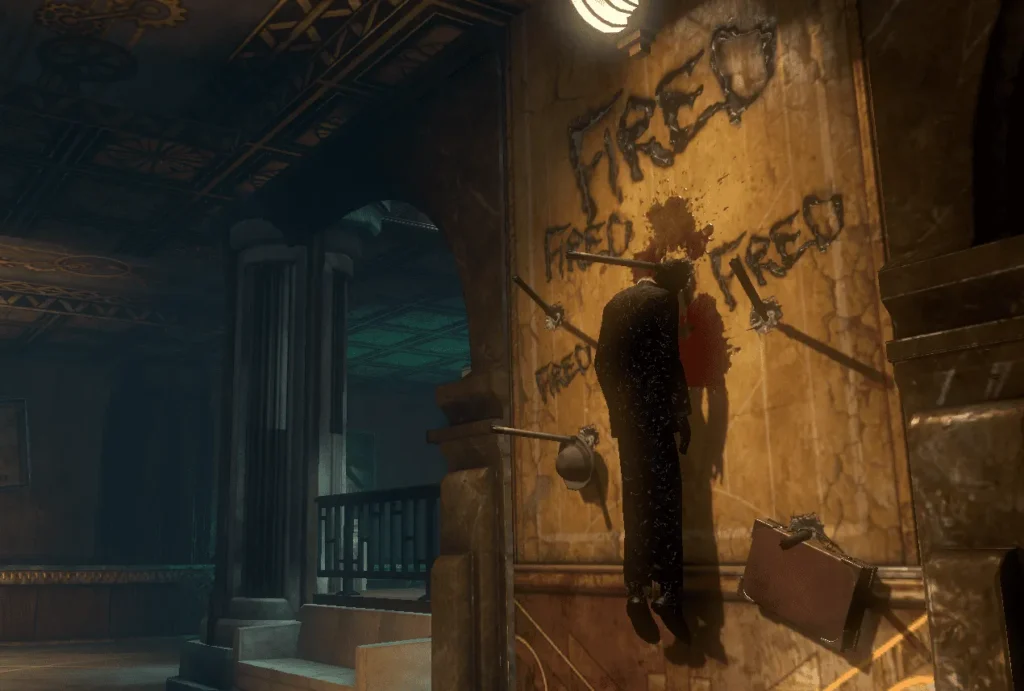
Pay attention to character placement and NPC behavior. How characters interact with the environment, or don’t, can reveal relationships, dangers, or hidden stories.
Finally, combine what you see with what you hear and feel. Environmental storytelling is most effective when multiple senses contribute to the narrative. By practicing observation and inference, you can piece together stories that enrich gameplay and deepen your immersion.
