
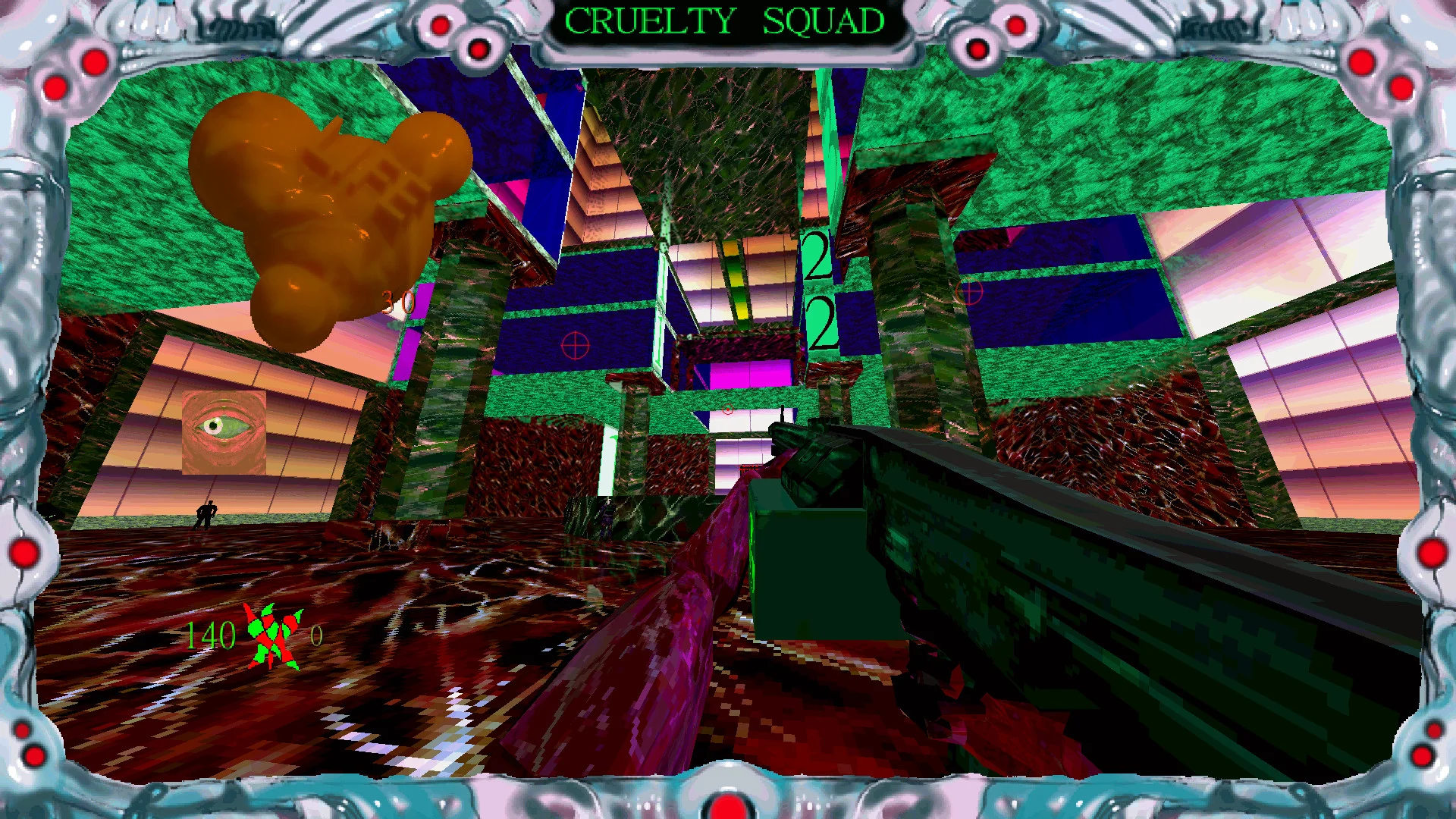
The best games don’t just tell stories, they hide them. Somewhere between cinematic cutscenes and quiet moments of exploration, developers plant astonishing details that most players never notice on their first run. But when they do, those discoveries hit harder than any boss fight. They feed curiosity, achievement, and self-expression. Whether it’s the hidden runes of God of War, the quiet emotional storytelling in The Last of Us, or the surreal lore of Cruelty Squad, these forgotten fragments create immersion, escapism, and atmosphere that keep games alive long after the credits roll.
God of War (2018)
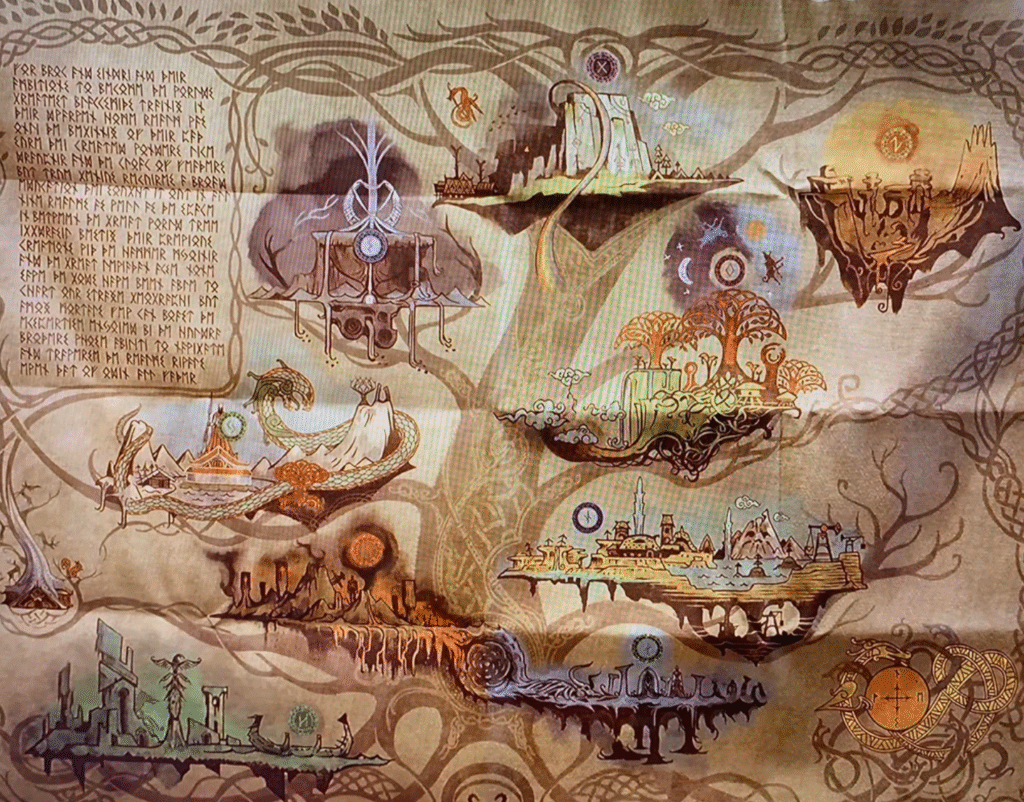
In God of War, the moments that players still talk about years later aren’t tied to the massive battles. They’re tucked into subtler corners. One of the most memorable discoveries came from the cloth map in the Collector’s Edition. Fans on Reddit realized the runic markings on it actually led to an in-game weapon called the “Forbidden Grip of the Ages.” What looked like a simple collectible turned into a puzzle that bridged the physical and digital worlds.
Players also noticed carvings in Kratos’s cabin that spelled out “Loki,” a quiet clue about Atreus’s true identity that most people missed on their first playthrough. These details weren’t accidents. They were breadcrumbs. What makes them powerful is how fans continue to decode and revisit them years later, proving that subtle storytelling and careful world building can echo louder than any cinematic moment.
The Last of Us
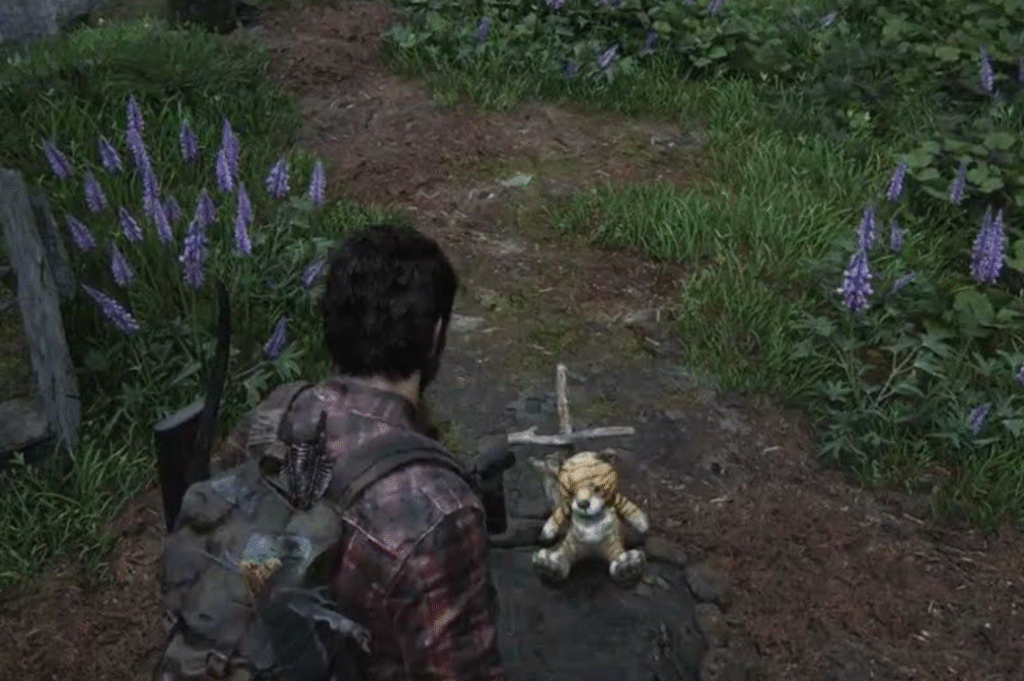
If God of War’s secrets feel mythic, The Last of Us’s are deeply human. Its atmosphere is built through small environmental details that carry emotional weight. Players still post about Joel’s shirt pocket holding the same cassette tape Ellie later plays, or the child’s plush toy that shows up in hidden corners of the world. Each object quietly tells its own story of loss and memory.
These aren’t flashy easter eggs. They’re small pieces of storytelling that reward empathy and observation. Every replay brings new discoveries, a broken clock stuck at the moment the outbreak began, a drawing that foreshadows a character’s fate. Players share these findings not to show off, but to feel closer to the world. In The Last of Us, the environment itself becomes part of the narrative, turning exploration into emotion.
Cruelty Squad
Then there’s Cruelty Squad, a surreal fever dream that feels like a parody of capitalism but plays like a spiritual allegory. Its world refuses to make sense in any traditional way, and that’s exactly why people can’t stop exploring it. Players spend hours piecing together its lore through cryptic mission briefings, unsettling architecture, and strange bits of dialogue that seem meaningless until they don’t.
One Redditor called the game “corporate gnosticism,” interpreting its fragmented story as a search for meaning in a broken system. The community thrives on that ambiguity, building theories, dissecting symbols, and treating every obscure discovery like sacred text. The joy isn’t in understanding everything, it’s in trying to. Cruelty Squad turns confusion into curiosity, making exploration and discovery part of the core gameplay.
Why These Details Endure
Across all three games, the smallest details create the strongest immersion. They spark connection, inspire walkthroughs, and keep players talking long after the story ends. Developers who hide these moments invite people to look closer, to explore, and to share what they find.
These fragments aren’t forgotten because they never really leave us. They linger in memory, in screenshots, and in late-night forum threads. They remind us that gaming isn’t just about action or graphics, it’s about atmosphere, discovery, and the shared feeling of realizing that something small was always there, waiting to be found.
Sometimes all it takes is a single player asking, “Did anyone else notice this?” for an entire world to come back to life.