

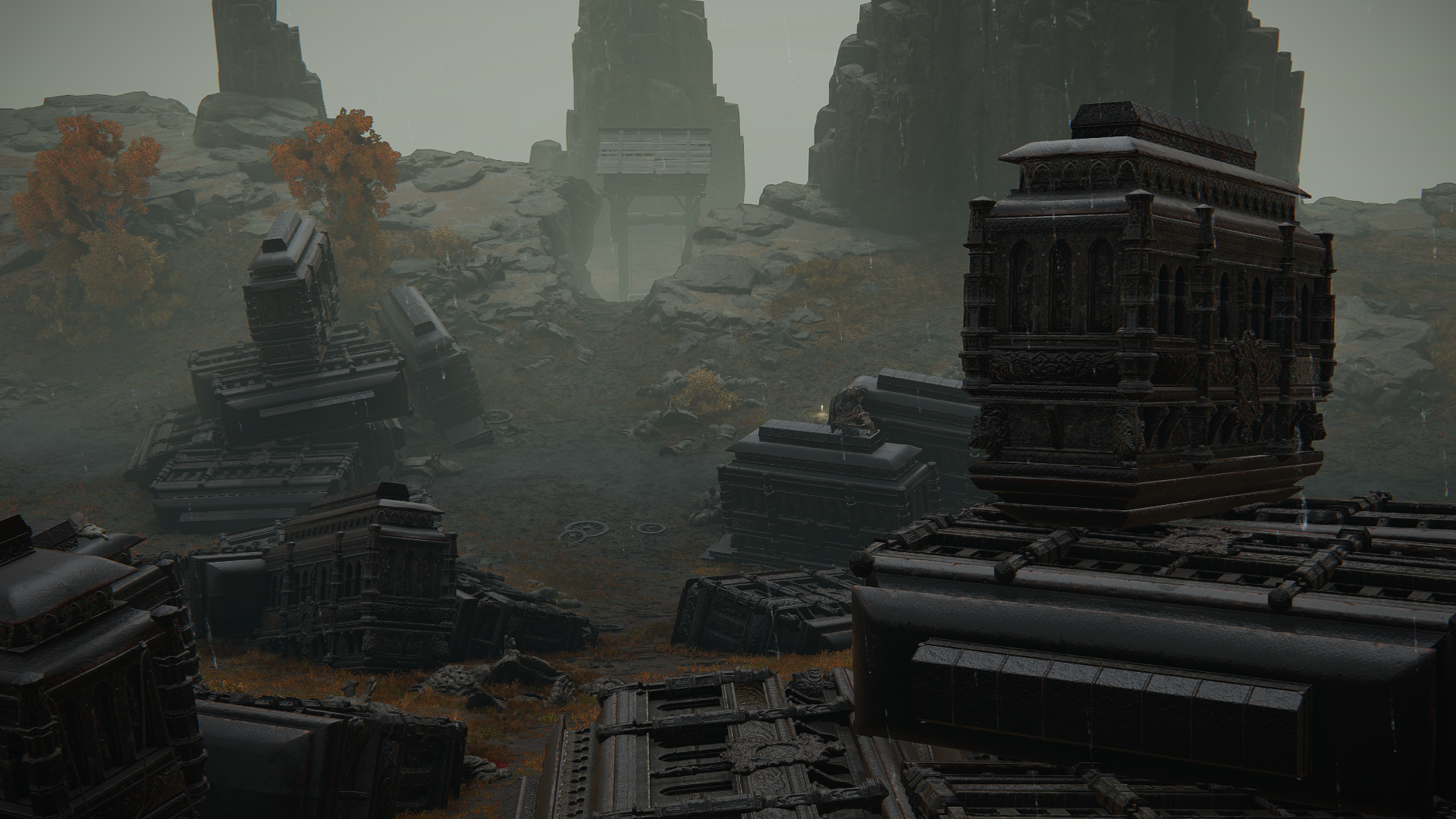
Abandoned spaces are one of the most powerful tools in environmental storytelling. In many open-world and narrative-driven games, ruins, broken homes, and deserted cities communicate story beats without a single line of dialogue. Games like The Last of Us, Elden Ring, and Horizon Zero Dawn rely on decay to imply history, conflict, and loss.
In The Last of Us, crumbling buildings overtaken by nature suggest a world that continued long after humanity fell. A child’s bedroom frozen in time or a toppled quarantine sign quietly communicates tragedy and failed systems. These spaces invite players to pause and interpret, transforming exploration into emotional engagement.
Elden Ring uses ruins differently, embedding lore into massive collapsed structures and forgotten battlefields. The scale of destruction hints at ancient wars and fallen civilizations, encouraging players to piece together the narrative through environmental clues rather than exposition.
Abandoned spaces work because they rely on absence. Missing people, broken tools, and scattered belongings prompt players to imagine what once existed. This form of storytelling respects player intelligence and rewards curiosity.
By designing spaces that feel lived-in and lost, developers allow environments to function as silent narrators. Ruins become archives, turning exploration into a process of reading the past through visual detail and spatial design.