
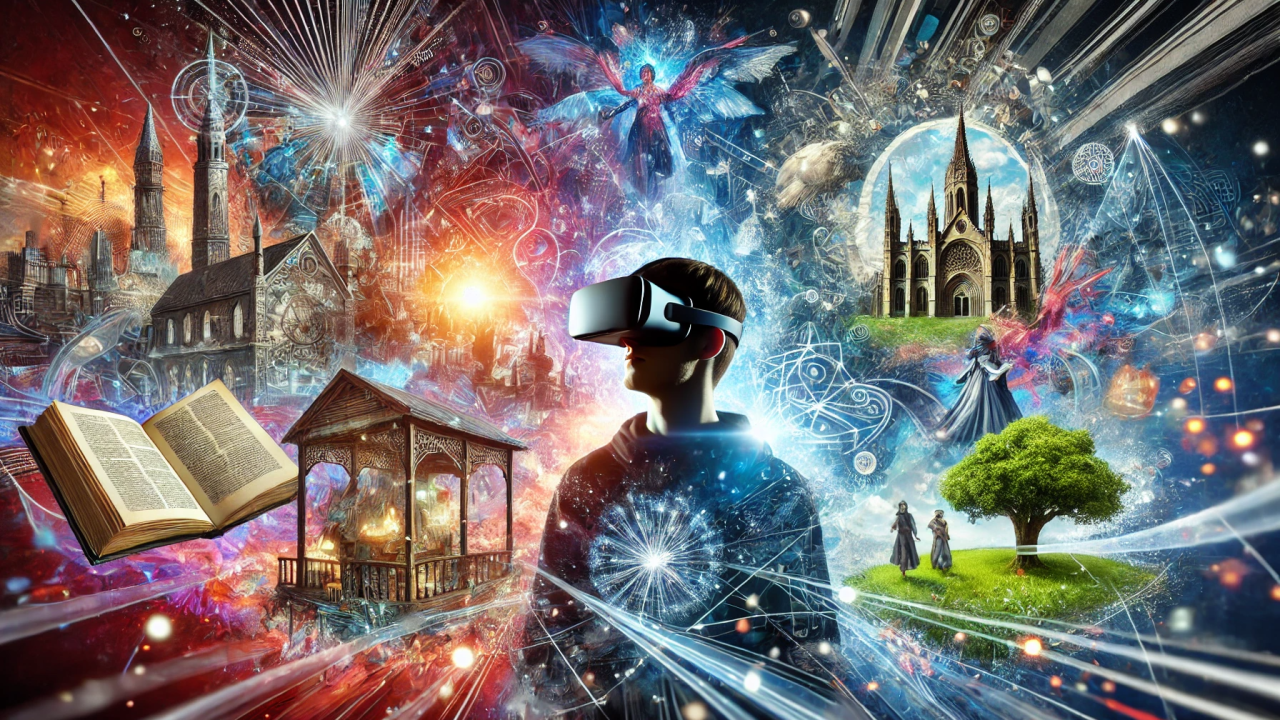
Virtual reality has always promised “immersion,” but most of the time it’s meant strapping a screen to your face and hoping your brain fills in the rest. Lately, though, VR platforms are evolving into something more ambitious, actual worlds that respond to you, shape themselves around you, and tell stories through the environment itself.
We’re entering a phase where immersion isn’t about higher resolution or better controllers. It’s about presence. Eye-tracking that lets characters notice when you’re looking at them. Spatial audio that plants clues through sound instead of dialogue. Environments that react just enough to make you question whether they’re scripted or alive. The future of VR seems less focused on power and more on atmosphere on the subtle, sensory details that make you forget you’re standing in a room.
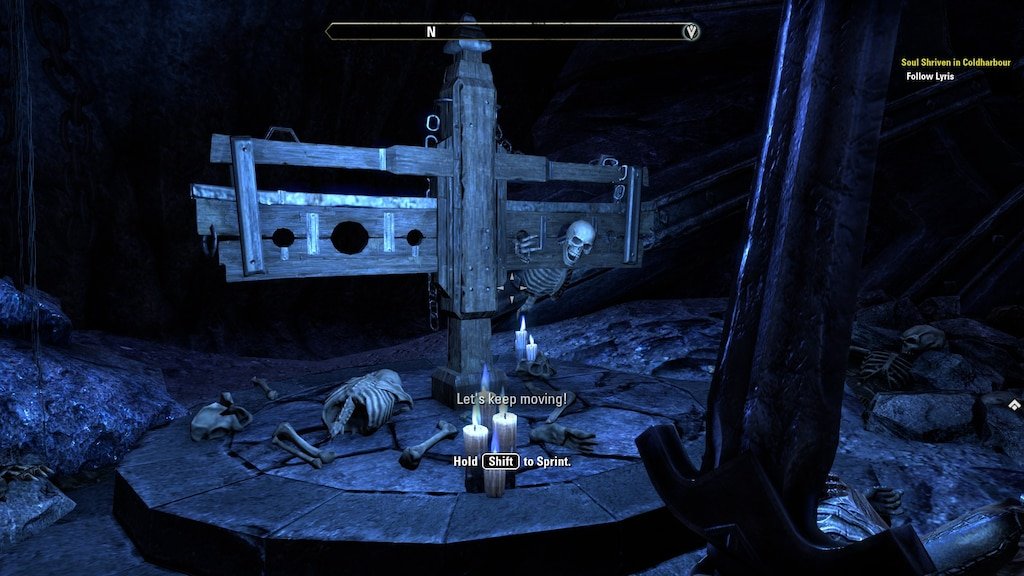
Environmental storytelling is becoming the backbone of this shift. Think of a corridor where the lights don’t flicker randomly they flicker because you hesitated. A forest that quiets down when you approach too loudly. A ruined city whose story unfolds not through text logs, but through how ash falls, how objects are placed, how shadows move. VR turns these details into active narrative devices, because you’re not observing a world you’re inhabiting it.
The most exciting part? These immersive mechanics don’t need big cinematics or dialogue-heavy scripts. They let VR do what only VR can: communicate story through sensation.
As VR platforms refine haptics, eye-tracking, and environmental responsiveness, we might finally get what early VR trailers promised worlds that don’t just surround you, but react to you. Worlds that don’t just host a story, but become the storytelling.