
Few games communicate story as powerfully as The Legend of Zelda: Breath of the Wild, and it does so largely without cutscenes or heavy dialogue. Instead, Hyrule’s landscape itself becomes the narrator. Everywhere the player travels, the environment offers clues about the kingdom’s past, the devastation of the Calamity, and the cultures that survived it.
The first and most striking example is the ruined state of Hyrule. Collapsed bridges, shattered fortresses, and abandoned villages silently illustrate the scale of Ganon’s destruction. These structural remains don’t just function as scenery; they serve as visual evidence of a world that once thrived. A single burnt-out house or toppled Guardian tells a more compelling story than any exposition ever could.
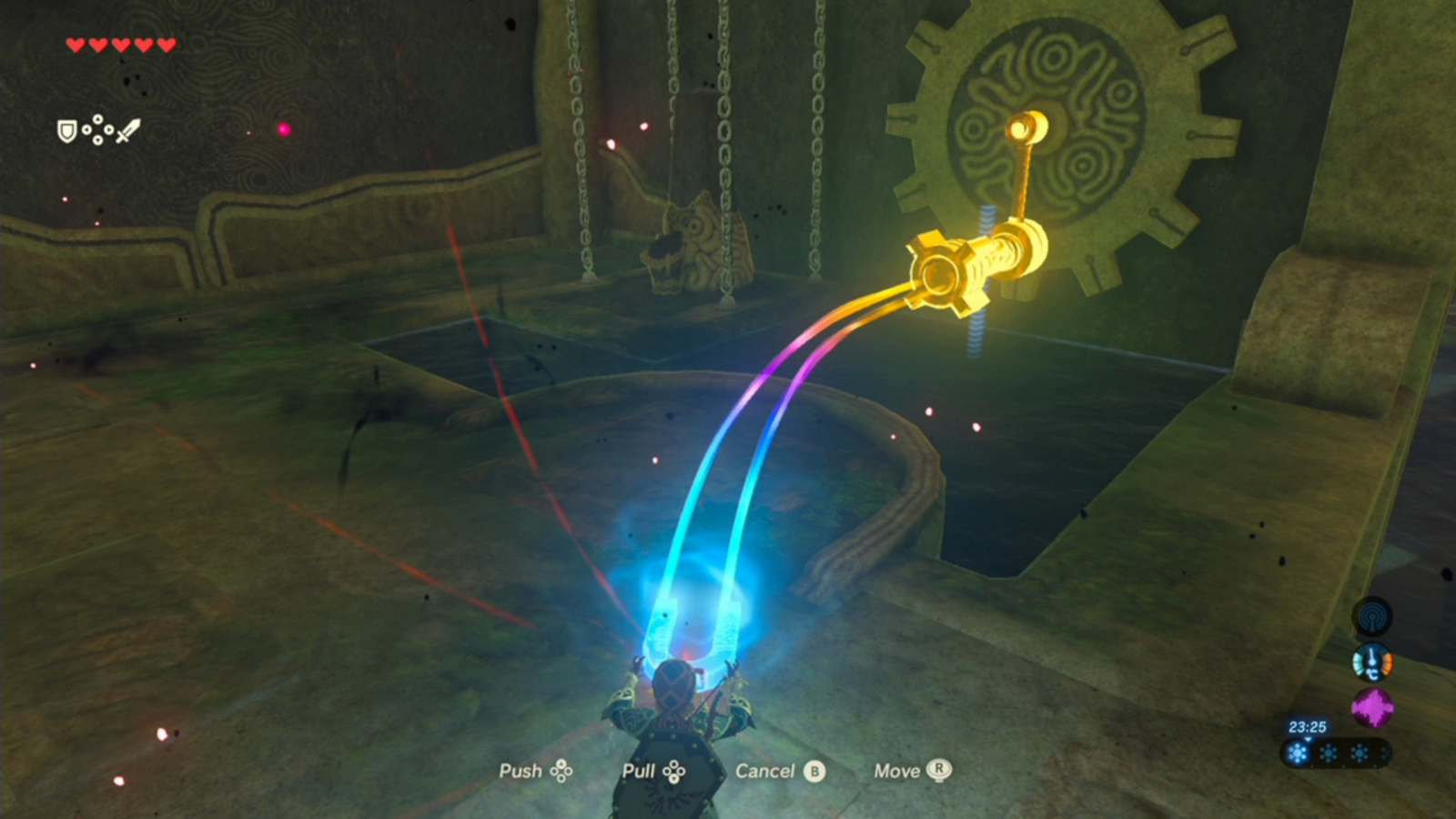
Shrines also play a key role in environmental storytelling. Their placement across mountains, deserts, ruins, and remote islands reveals ancient Sheikah priorities and their connection to Hyrule’s geography. Each shrine subtly ties into nearby landmarks, reinforcing themes of exploration, spirituality, and the Sheikah’s technological legacy.
Environmental memory is another powerful layer. As Link traverses familiar locations, Lon Lon Ranch’s remnants, ruined temple halls, or the cliffs overlooking Castle Town, the environment mirrors his lost past. These areas evoke nostalgia and mystery, inviting players to piece together Hyrule’s history on their own terms.
Small details create micro-stories everywhere you look. Monster camps built from broken wagons, diaries left in hidden cabins, and traveler belongings scattered across the wilderness add personal, grounded narratives that enrich exploration.
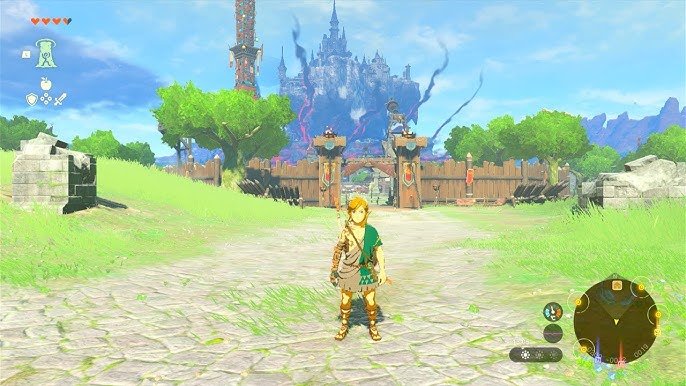
Finally, atmosphere ties it all together. Shifting weather, lighting, and ambient sound work with the terrain to shape emotion whether it’s the calm warmth of Hateno Village or the tension-filled storm clouds around Hyrule Castle.
Breath of the Wild doesn’t just build a world; it lets players read it. That is environmental storytelling at its finest.