
Escapism has always been at the heart of why we play games. It isn’t just about switching off or avoiding reality; it’s about finding space, a moment of calm, creativity, and control. In virtual worlds, players can breathe a little easier. They can explore, achieve, and express themselves without the weight of real-life expectations. These spaces aren’t just digital; they’re emotional. They offer comfort, curiosity, and connection all at once.
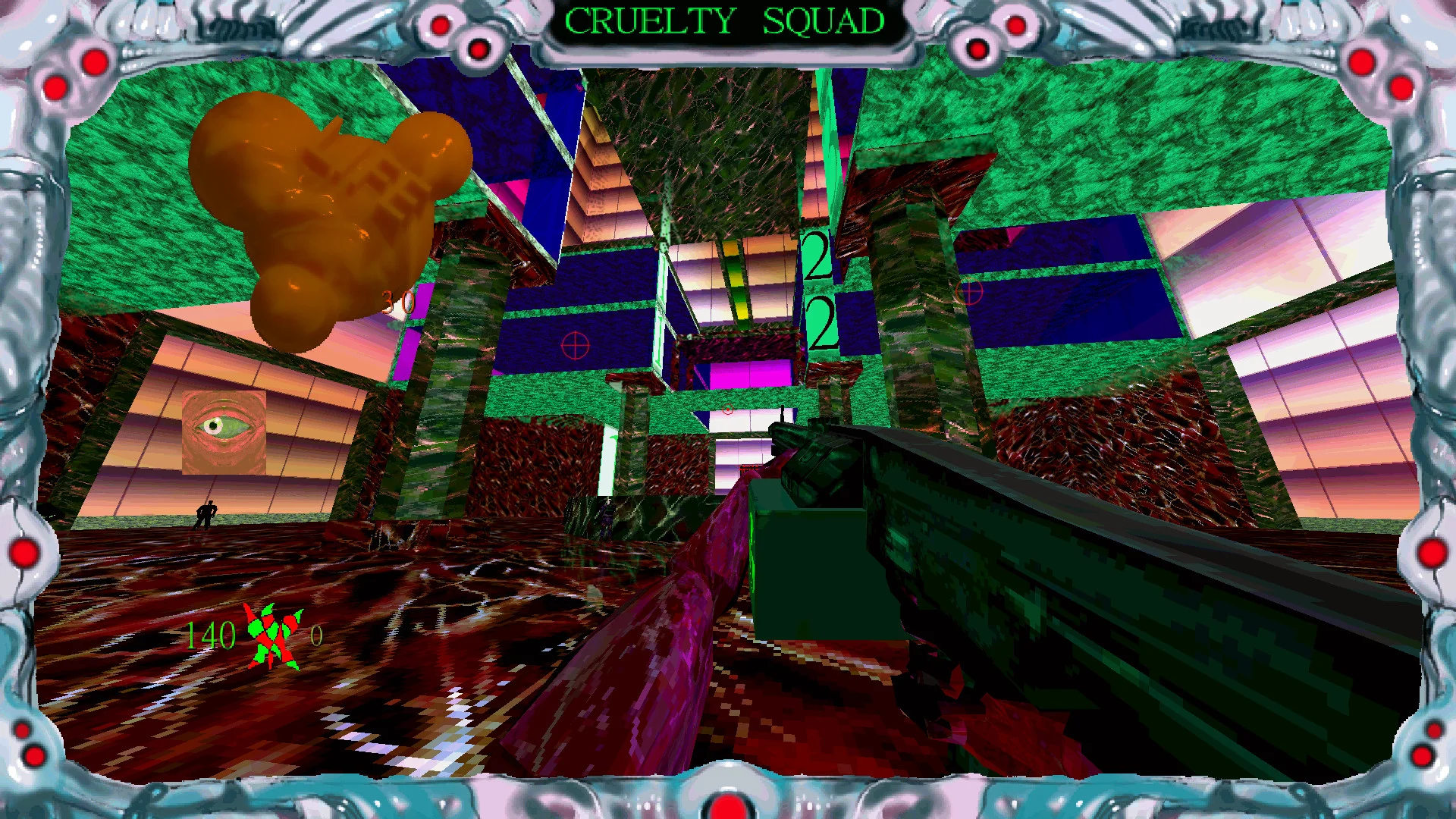
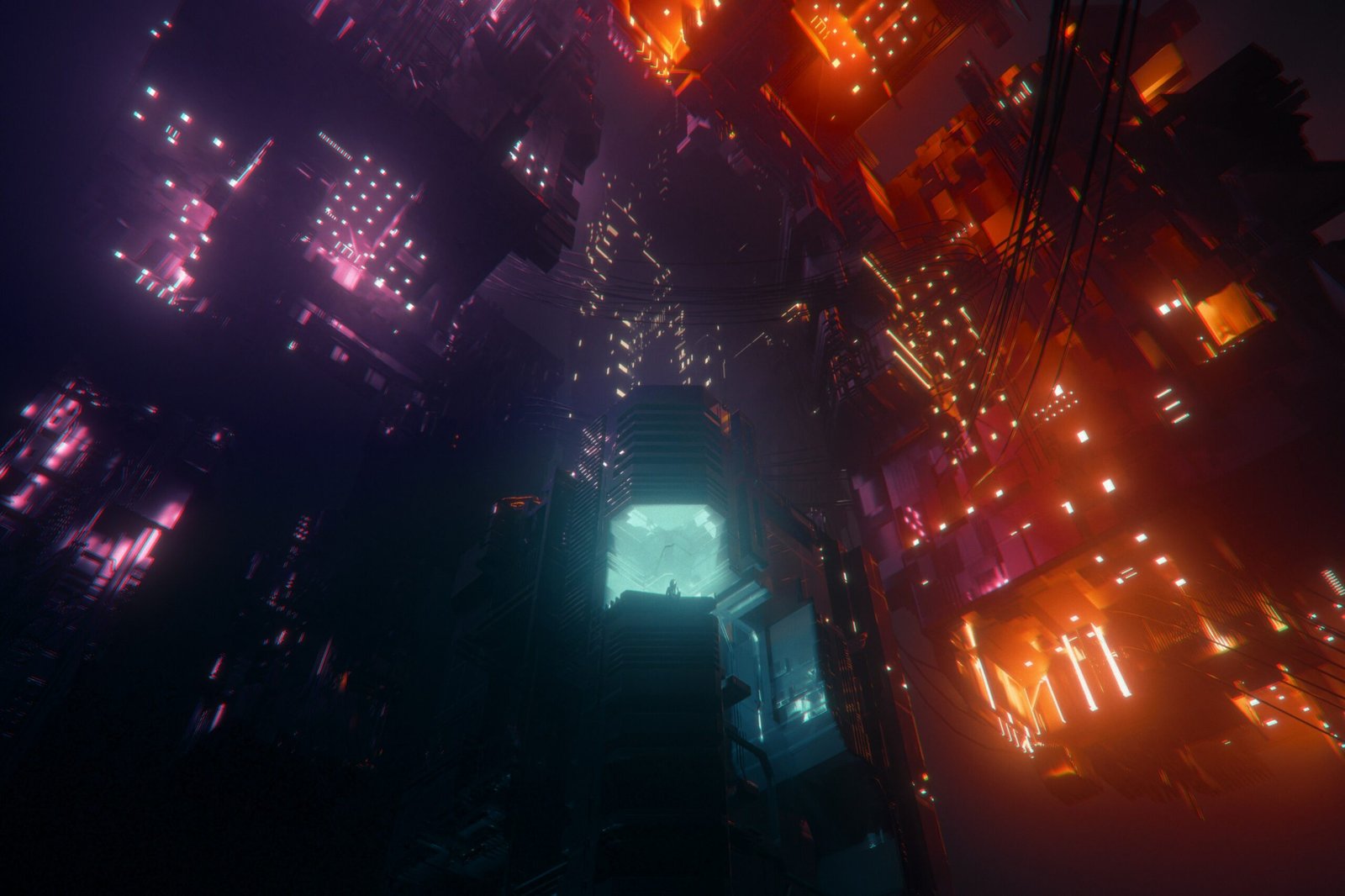
Every good game gives players a sense of purpose. It’s not just about winning or collecting rewards; it’s about the feeling of doing something that matters, even if it’s only within pixels. Through exploration and discovery, games quietly build peace. The atmosphere, the sound design, the lighting, and the environment invite stillness, even in chaos. It’s that sense of immersion that makes players forget the outside world and focus on the one in front of them.
What makes escapism powerful is that it isn’t really about escaping. It’s about engagement. Games help people process emotion through storytelling, gameplay, and aesthetic experiences. Some players seek comfort in building something beautiful, others in uncovering hidden lore or finishing a quest that rewards patience and curiosity. That act of play, of losing yourself in a world built with care, becomes its kind of reflection.
The connection doesn’t stop when the screen goes dark. Reviews, walkthroughs, and online communities extend that experience, turning private discovery into shared understanding. Players trade stories, discuss choices, and build their own worlds through conversation. The escapism becomes communal; it reminds people that others feel the same things, even when playing different games.
When you think about it, peace in gaming doesn’t come from shutting the world out but from exploring one that feels just real enough to matter. The textures, music, and pacing of these spaces can feel like meditation. You move, you think, and you create, and somehow, that brings you back to yourself.
In the end, escapism isn’t about leaving reality behind; it’s about returning to it with a clearer head. Virtual worlds give us a way to slow down, to rediscover our sense of wonder, and to find quiet meaning in exploration, storytelling, and atmosphere. Sometimes, peace isn’t found in silence; it’s found in pixels.